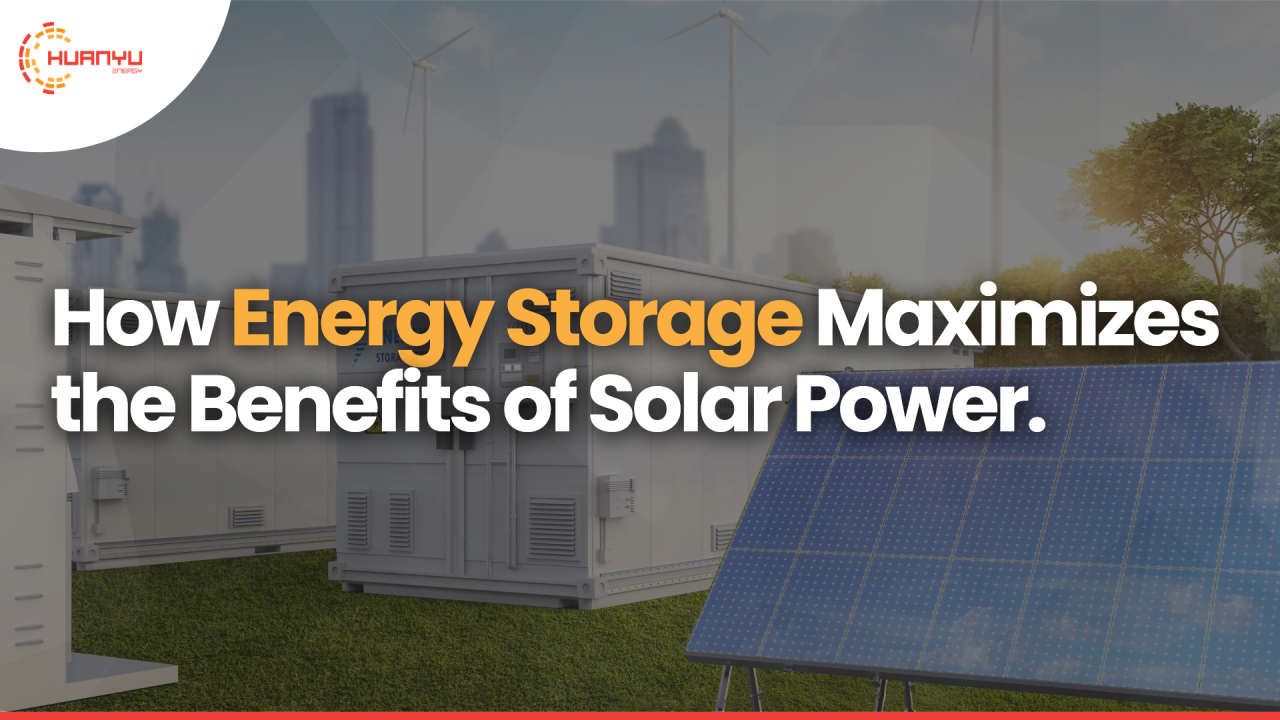
Solar power has become one of the most widely adopted renewable energy sources, offering clean, sustainable electricity for homes, businesses, and industries everywhere in the world but even more so in south africa for the past few years. However, solar energy production is inherently intermittent, meaning it is only generated when the sun is shining. This creates challenges related to energy availability, grid reliability, and self-consumption efficiency. Energy storage solutions, particularly battery storage systems, address these challenges by capturing excess solar energy and making it available when needed. This article explores how energy storage enhances solar power, making it more reliable, cost-effective, and efficient.

Understanding Solar Energy Production and Storage
Solar panels convert sunlight into electricity through photovoltaic (PV) cells. This electricity is typically used immediately by connected loads, while any excess is either sent to the grid or wasted. Without energy storage, surplus solar energy generated during peak daylight hours cannot be retained for nighttime or cloudy-day use, limiting the system’s efficiency and effectiveness.
Battery storage systems, such as lithium-ion and LiFePO4 (lithium iron phosphate) batteries, allow homeowners and businesses to store excess solar power for later use. When energy demand exceeds solar generation, stored power is discharged from the battery to supply electricity. This significantly enhances the practicality of solar energy systems.
The Benefits of Energy Storage for Solar Power
Reliable Power Supply
Energy storage ensures that solar-generated electricity remains available even when sunlight is not present. This is particularly important during nighttime hours, overcast days, or unexpected weather changes. With a properly sized battery system, users can maintain a continuous and stable power supply, reducing dependence on external grid sources.
Maximized Solar Self-Consumption
Without storage, a significant portion of solar energy may go unused if demand is low during peak production hours. Many utility companies pay relatively low rates for excess solar energy fed into the grid. By storing this surplus energy instead, homeowners and businesses can use more of their own solar power, increasing energy independence especially in the event of loadshedding and reducing electricity costs.

Backup Power During Loadshedding
Grid failures or problems like Loadshedding can occur due to extreme weather, equipment failures, or high demand stress. A solar energy system equipped with battery storage provides backup power during outages, ensuring critical appliances and essential systems remain operational. Unlike traditional backup generators, battery storage offers silent, emissions-free, and automatic operation.
Reduced Peak Demand Charges
Electricity rates often fluctuate throughout the day based on demand. Many utility providers implement Time-of-Use (TOU) pricing, where electricity is more expensive during peak hours. Energy storage allows users to store solar power when rates are low and use it when grid electricity prices are high. This can significantly lower electricity bills, particularly for businesses with high energy consumption.
Grid Stability and Reduced Strain on Infrastructure
Widespread adoption of solar energy can sometimes cause instability in the electrical grid due to fluctuations in power generation. Energy storage helps mitigate these issues by balancing supply and demand. Distributed storage solutions enable grid operators to integrate more renewable energy without compromising stability, reducing the need for costly infrastructure upgrades.
Energy Independence and Off-Grid Living
For remote locations or those looking to reduce reliance on Eskom or any other energy provider, energy storage is a key component of off-grid solar systems. By storing solar energy for continuous use, homeowners, farms, and businesses can achieve energy self-sufficiency without needing connection to traditional power sources.

Types of Energy Storage Solutions for Solar Power
Lithium-Ion Batteries
Lithium-ion batteries are the most popular choice for solar energy storage due to their high energy density, efficiency, and long lifespan. They provide fast charging and discharging capabilities, making them ideal for residential and commercial applications.
LiFePO4 (Lithium Iron Phosphate) Batteries
A subcategory of lithium-ion, LiFePO4 batteries offer enhanced safety, stability, and longevity. They have a longer cycle life and are less prone to overheating compared to traditional lithium-ion batteries, making them a preferred choice for solar storage.
Li-Po (Lithium Polymer) Batteries
A variation of lithium-ion technology, Li-Po (Lithium Polymer) batteries offer a lightweight, flexible, and high-power density solution. Unlike traditional cylindrical lithium-ion cells, Li-Po batteries use a solid or gel-like electrolyte, allowing for a slimmer, more adaptable design. We have
Lead-Acid Batteries
While more affordable upfront, lead-acid batteries have a lower energy density, shorter lifespan, and require regular maintenance. They are commonly used in off-grid applications where cost considerations are a priority.
Flow Batteries
Flow batteries use liquid electrolytes to store energy, offering long cycle life and scalability. Though currently more expensive and less common in residential settings, they are an emerging solution for large-scale energy storage projects.

ESS Container Solutions: A Scalable Approach to Energy Storage
One of the most innovative advancements in energy storage is Energy Storage System (ESS) container solutions—modular, scalable units that integrate battery storage into a secure, weatherproof container. These solutions provide a compact yet powerful energy storage option for a wide range of applications, particularly in large-scale commercial, industrial, and utility settings. ESS containers are designed for high-capacity storage, making them ideal for businesses, factories, and renewable energy plants that require substantial energy reserves. Their scalability allows for seamless expansion by adding additional units, enabling a customized approach to energy storage based on demand. Additionally, ESS containers support the electrical grid by balancing energy loads and reducing strain during peak demand periods.
Unlike traditional fixed battery installations, these containerized solutions are portable and can be rapidly deployed in remote locations, making them an excellent choice for off-grid energy projects. Beyond flexibility, they offer enhanced energy security, ensuring backup power for critical infrastructure and improving solar utilization by storing surplus energy for later use. ESS container solutions also contribute to cost savings, enabling energy arbitrage—charging batteries when electricity rates are low and discharging when rates are high. Built with advanced cooling systems and battery management technology, they ensure longer lifespan, improved safety, and greater sustainability. By providing a scalable, efficient, and cost-effective way to store and utilize solar power, ESS container solutions are playing a crucial role in the future of renewable energy integration.
Choosing the Right Energy Storage System
Selecting the appropriate battery storage system depends on several factors, including:
- Energy Needs: The total electricity consumption and peak demand requirements.
- Battery Capacity and Efficiency: Measured in kilowatt-hours (kWh), determining how much energy can be stored and used.
- Lifespan and Warranty: Higher-quality batteries offer longer service life and better warranties.
- Cost vs. Savings: Analyzing the return on investment (ROI) and potential electricity bill savings over time.

Real-World Applications and Case Studies
Numerous homeowners and businesses worldwide have successfully integrated solar storage systems to enhance their energy efficiency. Some real-world examples include:
- Residential Solar + Storage Systems: Homeowners in high-energy-cost regions using batteries to cut electricity bills and maintain backup power during outages.
- Commercial Applications: Businesses using large-scale battery storage to offset demand charges and provide uninterrupted power supply.
- Microgrids: Communities in remote or rural areas implementing solar-plus-storage solutions to achieve energy independence. A kenyan Comunnity Survived A Massive Blackout This way.
Conclusion
Energy storage significantly enhances the benefits of solar power by improving reliability, increasing self-consumption, providing backup power, and reducing electricity costs. As battery technology continues to advance, solar storage solutions are becoming more efficient, affordable, and widely adopted. Whether for residential, commercial, or grid applications, energy storage is a crucial component in the transition toward a sustainable and resilient energy future.